 EN
EN

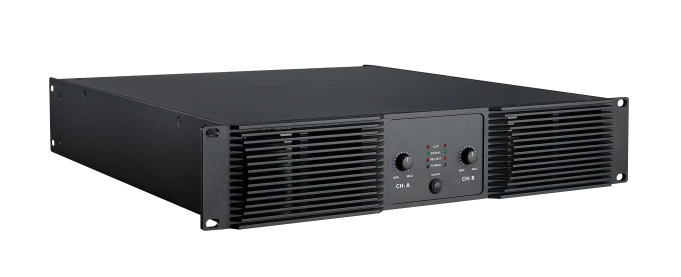
Essential Guide to Safeguarding Your PA System's Heart
Power surges pose a serious threat to professional audio equipment, with PA amplifiers being particularly vulnerable to damage. Understanding how to implement proper PA amplifier protection measures isn't just about preserving expensive equipment—it's about ensuring consistent performance and reliability for your sound system. Whether you're managing a venue, running a mobile DJ setup, or maintaining a house of worship's audio system, protecting your PA amplifier from sudden power fluctuations should be a top priority.
In today's interconnected world, where audio equipment often represents a significant investment, taking preventive measures against power-related damage has become more crucial than ever. Let's explore comprehensive strategies and solutions to keep your PA amplifier safe from destructive power surges.
Understanding Power Surge Risks and Impact
Common Causes of Power Surges
Power surges can originate from various sources, both external and internal. Lightning strikes are perhaps the most dramatic cause, capable of sending massive voltage spikes through electrical systems. However, more common sources include utility grid switching, heavy machinery startup in nearby buildings, and even the cycling of air conditioners or refrigerators within your own facility. These everyday occurrences can generate smaller but still harmful surges that gradually degrade your PA amplifier's components.
Internal surges, while less powerful, occur more frequently and can be equally damaging over time. These typically result from the switching of large loads within your building's electrical system or when power returns after an outage. Understanding these sources is crucial for implementing effective PA amplifier protection strategies.
Potential Damage to Audio Equipment
When a power surge hits unprotected audio equipment, the damage can range from subtle degradation to catastrophic failure. The sensitive electronic components within PA amplifiers are particularly susceptible to voltage fluctuations. Power surges can damage transistors, integrated circuits, and power supplies—often resulting in costly repairs or complete replacement needs.
Even minor surges can cause incremental damage that may not be immediately apparent but can lead to performance issues and shortened equipment lifespan. The financial impact extends beyond repair costs to include potential downtime and lost bookings for professional audio providers.
Professional Protection Solutions
Surge Protector Specifications
Selecting the right surge protection device (SPD) is crucial for effective PA amplifier protection. Look for units with a UL 1449 rating, which indicates compliance with safety standards. The device should offer multiple protection modes (L-N, L-G, and N-G) and have a sufficient voltage protection rating (VPR) appropriate for your equipment.
Professional-grade surge protectors should feature indicators showing protection status and proper grounding. Consider units with EMI/RFI filtering capabilities to protect against both surge events and ongoing electrical noise that can affect audio quality.
Advanced Protection Technologies
Modern PA amplifier protection systems often incorporate sophisticated technologies beyond basic surge suppression. Voltage regulation systems help maintain stable power delivery during minor fluctuations, while sequential power-up circuits prevent turn-on transients from affecting sensitive components.
Some advanced solutions include remote monitoring capabilities, allowing technical staff to track power quality and receive alerts about potential issues before they cause damage. These systems can log events and provide valuable data for maintaining optimal protection strategies.
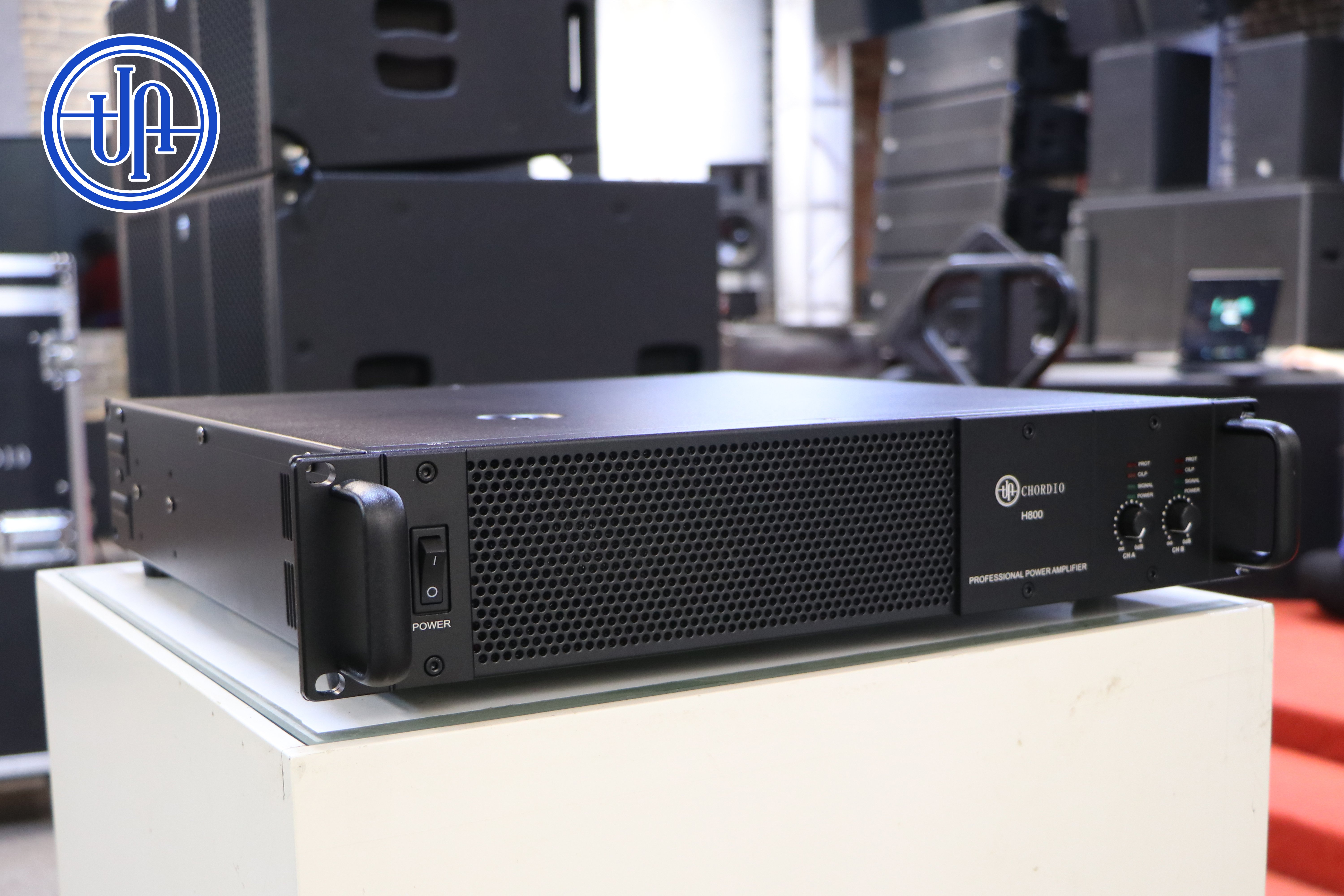
Implementation Best Practices
Proper Installation Guidelines
Correct installation of protection devices is as important as the devices themselves. Ensure all protection equipment is properly grounded according to local electrical codes. Keep cable runs as short as possible to minimize the potential for induced surges, and maintain separation between power and audio cables to prevent interference.
Consider implementing a staged protection approach, with primary surge protection at the main electrical panel and secondary protection at equipment locations. This creates multiple barriers against power surges and provides more comprehensive PA amplifier protection.
Maintenance and Testing Protocols
Regular maintenance of protection systems is essential for ensuring continued effectiveness. Establish a schedule for testing surge protectors and checking indicator lights. Replace protection devices that show signs of wear or have absorbed significant surges, as their protection capacity can become depleted over time.
Document all maintenance activities and keep records of any power-related incidents. This information can help identify patterns and adjust protection strategies as needed. Professional testing equipment can verify the functionality of protection devices and identify potential weaknesses in the system.
Emergency Response and Recovery
Immediate Actions After a Surge
When a power surge occurs, having a clear response protocol can minimize damage and downtime. Immediately disconnect affected equipment and perform visual inspections for signs of damage. Check all protection devices for indicators of surge absorption or failure. Document the incident, including time, date, and any observed effects on equipment performance.
If possible, identify the surge source to prevent future occurrences. This might involve coordinating with facility managers or electrical utilities to address underlying issues in the power distribution system.
Recovery and Assessment Steps
After a significant power event, conduct thorough testing of all audio equipment before returning it to service. Use test equipment to verify proper operation and performance specifications. Consider having critical components professionally evaluated if there's any doubt about their condition.
Update protection strategies based on incident analysis. This might include upgrading protection devices, modifying installation methods, or implementing additional backup systems to prevent future damage.
Frequently Asked Questions
How Often Should Surge Protection Devices Be Replaced?
Most quality surge protection devices should be replaced every 3-5 years, or sooner if they've absorbed significant surges. Regular testing and monitoring of indicator lights can help determine when replacement is necessary. Some advanced units provide specific end-of-life indicators or automatic shutdown features when protection is compromised.
Can a UPS System Replace Dedicated Surge Protection?
While uninterruptible power supplies (UPS) often include surge protection features, they shouldn't be relied upon as the sole means of PA amplifier protection. A comprehensive approach using both UPS and dedicated surge protection devices provides the best defense against power-related damage.
What's the Difference Between Power Conditioning and Surge Protection?
Power conditioning focuses on maintaining clean, stable power by filtering noise and regulating voltage, while surge protection specifically guards against voltage spikes. For optimal PA amplifier protection, both functions are important. Many professional installations use combination units that provide both services.
How Can I Tell if My Protection Device is Still Working?
Most quality surge protectors include diagnostic lights or displays indicating protection status and proper grounding. Regular testing with specialized equipment can provide more detailed information about protection effectiveness. If in doubt, consult with a professional audio equipment technician for evaluation.