 EN
EN

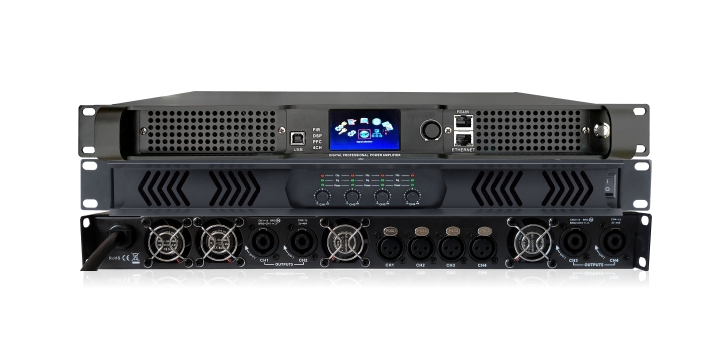
Essential Guidelines for PA Amplifier Excellence
A well-maintained PA amplifier forms the backbone of any professional sound system. Whether you're managing a concert venue, running a house of worship, or handling corporate events, your PA amplifier's performance directly impacts the quality of audio delivery. Understanding proper maintenance techniques ensures longevity and consistent performance while protecting your investment in professional audio equipment.
Professional audio systems demand regular attention and care to maintain their peak performance capabilities. By implementing a comprehensive maintenance routine, you can prevent common issues that plague PA amplifiers and ensure your system delivers crystal-clear sound every time it's powered up.
Understanding Your PA Amplifier System
Core Components and Their Functions
The PA amplifier system consists of several critical components working in harmony. At its heart, the power supply unit converts incoming AC power to the necessary DC voltage. The preamp section handles initial signal processing, while the power amp stage provides the necessary amplification for driving speakers. Understanding these components helps in identifying potential issues before they become serious problems.
Modern PA amplifiers also incorporate protection circuits, cooling systems, and sophisticated signal processing capabilities. Each of these elements requires specific attention during maintenance to ensure optimal performance. The cooling system, in particular, plays a crucial role in preventing heat-related damage and maintaining stable operation during extended use.
Common Performance Indicators
Several key indicators help determine your PA amplifier's health. Clean, consistent audio output without distortion is the primary sign of proper functioning. Other indicators include normal operating temperatures, responsive controls, and the absence of unusual noises or electrical hum. Regular monitoring of these aspects helps in early detection of potential issues.
Visual indicators such as power LEDs, clip indicators, and thermal warning lights provide immediate feedback about the amplifier's status. Understanding these indicators' meanings and regularly checking their function should be part of your maintenance routine.
Preventive Maintenance Strategies
Regular Cleaning Procedures
Dust and debris are major enemies of PA amplifier performance. Establish a regular cleaning schedule that includes careful exterior and interior cleaning. Use compressed air to remove dust from ventilation ports and internal components, always following proper safety procedures. Clean all connection points with appropriate contact cleaner to ensure optimal signal transfer.
Pay special attention to cooling fans and heat sinks, as these components are crucial for thermal management. Accumulated dust can significantly impact cooling efficiency, leading to potential overheating issues. Use soft brushes and approved cleaning solutions for external surfaces, avoiding harsh chemicals that might damage the amplifier's finish.
Environmental Control Measures
The environment where your PA amplifier operates significantly impacts its performance and longevity. Maintain proper ventilation around the unit, ensuring at least six inches of clearance on all sides. Control ambient temperature and humidity levels within recommended ranges, typically between 65-80°F (18-27°C) with relative humidity below 80%.
Consider installing additional cooling systems in rack setups where multiple units generate substantial heat. Using temperature-controlled rack spaces or adding supplementary fans can help maintain optimal operating conditions.
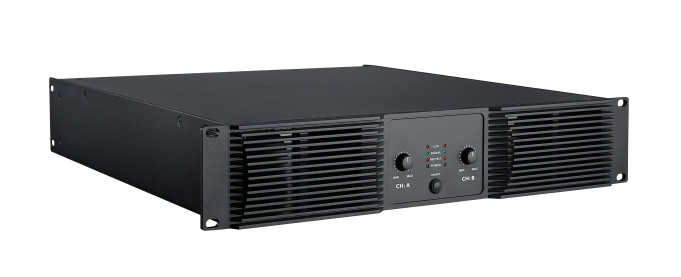
Professional Maintenance Requirements
Scheduled Technical Inspections
Professional inspection of your PA amplifier should occur at regular intervals, typically every 6-12 months depending on usage. These inspections should include thorough testing of all functions, measurement of output specifications, and verification of protection systems. A qualified technician can identify potential issues before they lead to system failure.
During professional maintenance, technicians should check internal components for signs of wear, test all connections for proper conductivity, and verify the calibration of various controls and meters. This comprehensive approach ensures all aspects of the amplifier perform within specifications.
Component Updates and Replacements
Certain components in PA amplifiers have limited lifespans and require periodic replacement. Electrolytic capacitors, cooling fans, and power supply components often need replacement after several years of operation. Staying proactive with component replacement prevents unexpected failures during critical use.
Keep detailed records of any replacements or upgrades performed on your PA amplifier. This documentation helps track maintenance history and plan future service intervals. When replacing components, always use manufacturer-approved parts to maintain performance and reliability.
Optimizing Daily Operations
Power Management Practices
Proper power management significantly affects your PA amplifier's performance and longevity. Always use clean, stable power sources and appropriate surge protection. Follow correct power-up and power-down sequences to prevent damage to the amplifier and connected speakers. Allow adequate warm-up time before running the system at high output levels.
Consider installing power conditioning equipment to protect your PA amplifier from voltage fluctuations and electrical noise. This investment can prevent damage from power-related issues and ensure consistent performance.
Signal Chain Management
Maintain proper signal levels throughout your audio system to prevent overdriving the PA amplifier. Use appropriate gain staging techniques and monitor input levels carefully. Regular calibration of input sensitivity and output levels ensures optimal performance while protecting the amplifier from excessive stress.
Keep all cables and connections in excellent condition, replacing any showing signs of wear or damage. Clean and secure connections prevent signal degradation and potential damage to the amplifier's input stages.
Frequently Asked Questions
How often should I clean my PA amplifier?
Regular cleaning should be performed monthly for amplifiers in regular use, with more frequent cleaning in dusty environments or during heavy use periods. Professional cleaning should be part of your annual maintenance schedule.
What are the signs that my PA amplifier needs professional service?
Look for symptoms such as distorted output, unusual noises, intermittent operation, overheating, or activation of protection circuits. Any significant change in performance or operation should prompt professional inspection.
Can I perform maintenance on my PA amplifier myself?
While basic maintenance like external cleaning and connection checking can be performed by users, internal maintenance and repairs should only be conducted by qualified technicians. Attempting DIY repairs can void warranties and create safety hazards.
What's the expected lifespan of a properly maintained PA amplifier?
With proper maintenance and care, a quality PA amplifier can provide reliable service for 10-15 years or more. Regular maintenance, appropriate use, and timely repairs significantly extend operational life.