 EN
EN

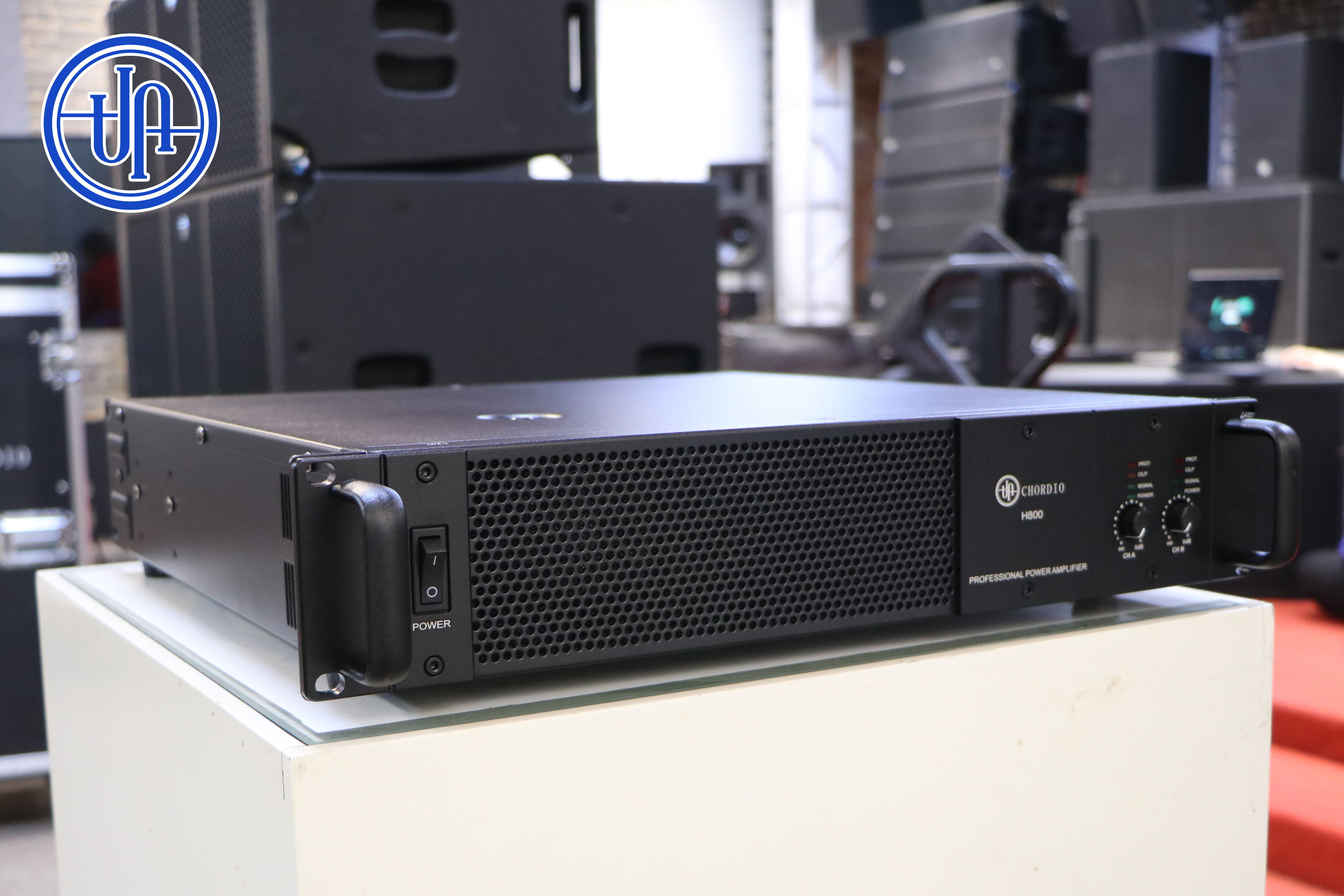
Understanding the Fundamentals of Power Amplifier Performance
In the world of audio engineering and sound systems, impedance matching plays a pivotal role in determining the overall performance and efficiency of PA amplifiers. This critical aspect of audio system design ensures optimal power transfer, minimizes signal loss, and maintains sound quality across the entire audio chain. Whether you're setting up a small venue's sound system or managing large-scale concert productions, understanding impedance matching can make the difference between mediocre and exceptional audio performance.
The relationship between impedance matching and power transfer efficiency forms the backbone of professional audio system design. When properly implemented, impedance matching allows PA amplifiers to deliver maximum power to speakers while operating within safe parameters, ultimately producing cleaner, more powerful sound with minimal distortion.
The Science Behind Impedance Matching
Maximum Power Transfer Theory
At its core, impedance matching follows the maximum power transfer theorem, which states that maximum power is transferred when the source impedance equals the load impedance. In PA systems, this principle ensures that amplifiers can deliver optimal power to speakers while maintaining signal integrity. When impedances are properly matched, the amplifier operates at its most efficient state, reducing wasted energy and minimizing the risk of damage to both the amplifier and speakers.
The practical application of this theory involves carefully selecting and configuring components to work in harmony. This includes considering the output impedance of the amplifier, the impedance of the speaker system, and any intermediate components in the signal chain.
Signal Reflection and Standing Waves
Impedance mismatches can create signal reflections, leading to standing waves in the audio system. These reflections can cause frequency response irregularities, phase problems, and overall degradation of sound quality. Professional audio engineers pay careful attention to impedance matching to prevent these issues, ensuring smooth power delivery and clear, accurate sound reproduction.
Modern PA amplifiers often incorporate protection circuits to handle impedance mismatches, but relying on these safety features rather than proper impedance matching can limit system performance and potentially reduce equipment lifespan.
Practical Applications in Professional Audio
Live Sound Reinforcement
In live sound applications, impedance matching becomes particularly crucial due to the dynamic nature of performance environments. Sound engineers must consider multiple speaker configurations, varying cable lengths, and different power requirements across frequency ranges. Proper impedance matching ensures consistent performance across all these variables, delivering reliable sound quality throughout the venue.
Professional touring systems often employ sophisticated impedance matching networks to maintain optimal performance across different venues and configurations. These systems allow for flexible setup options while ensuring maximum power transfer and minimal signal degradation.
Installation and Fixed Systems
For permanent installations, impedance matching considerations begin at the design phase. Engineers must calculate total system impedance, accounting for multiple speakers, crossover networks, and long cable runs. Proper planning ensures that the PA amplifier operates within its specified range, delivering consistent performance over the system's lifetime.
Many modern installation projects incorporate digital signal processing (DSP) and smart amplifier technologies that can help optimize impedance matching. However, these tools work best when supporting properly matched systems rather than compensating for poor design choices.
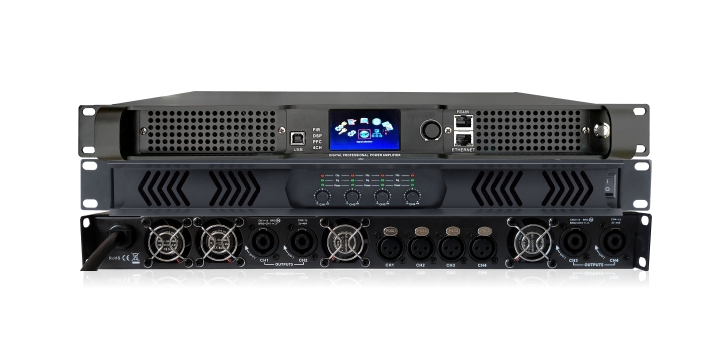
Common Impedance Matching Challenges
Multiple Speaker Arrays
One of the most common challenges in PA system design involves correctly matching impedance when connecting multiple speakers. Whether in series, parallel, or complex combinations, calculating the total impedance load becomes crucial for system performance. Engineers must carefully consider how speaker configurations affect the overall impedance seen by the amplifier.
Professional installations often require detailed documentation of speaker wiring schemes and impedance calculations to ensure proper system operation and facilitate future maintenance or modifications.
Cable Selection and Signal Path
The choice of cables and their length can significantly impact impedance matching in PA systems. Long cable runs can introduce resistance and capacitance that affect the system's overall impedance. Professional audio engineers select appropriate cable gauge and quality to minimize these effects, ensuring optimal power transfer from amplifier to speakers.
Modern PA installations often incorporate specialized cables and connectors designed to maintain consistent impedance across the entire signal path, reducing the risk of matching problems and ensuring reliable performance.
Future Trends in Impedance Matching Technology
Digital Solutions and Automation
The audio industry is witnessing a shift toward smart amplifier systems that can automatically detect and adjust for impedance matching issues. These advanced systems use real-time monitoring and digital processing to optimize performance, making it easier to maintain proper impedance matching across complex installations.
As technology continues to evolve, we can expect to see more sophisticated impedance matching solutions that combine traditional principles with modern digital capabilities, offering greater flexibility and reliability in PA system design.
Integration with Network Audio
The growing adoption of networked audio systems introduces new considerations for impedance matching. While digital audio networks can eliminate some traditional impedance matching concerns, understanding these principles remains crucial for the analog portions of the system, particularly at the amplifier-speaker interface.
Future PA systems will likely incorporate hybrid approaches that combine digital and analog technologies, requiring audio professionals to maintain expertise in both traditional impedance matching and modern digital audio networking.
Frequently Asked Questions
How does impedance matching affect sound quality in PA systems?
Proper impedance matching ensures maximum power transfer between components, resulting in cleaner sound reproduction, reduced distortion, and improved overall system efficiency. When impedances are mismatched, sound quality can suffer due to power loss, increased distortion, and potential damage to equipment.
What happens if impedance matching is incorrect in a PA system?
Incorrect impedance matching can lead to reduced power output, increased heat generation in amplifiers, distorted sound, and potential equipment damage. It may also cause excessive power consumption and reduced system reliability over time.
How can I verify proper impedance matching in my PA system?
Professional audio engineers use impedance meters and other test equipment to verify proper matching. Regular system maintenance should include checking impedance at key points in the signal chain, reviewing speaker configurations, and ensuring all components are operating within their specified parameters.