 EN
EN

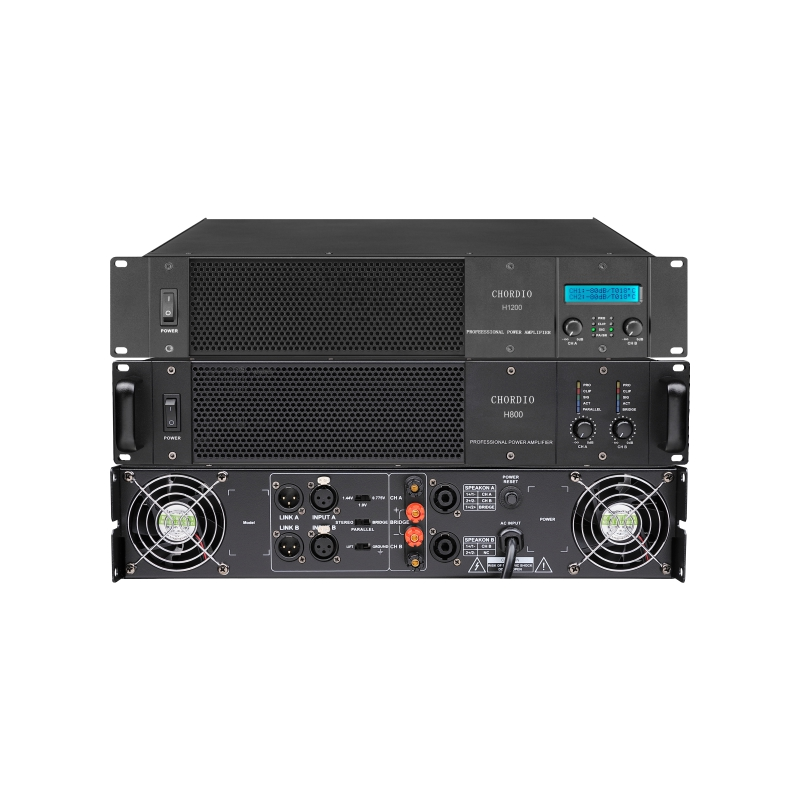
Essential Guidelines for Professional PA Amplifier Setup
Installing a PA amplifier requires careful attention to detail and proper safety protocols to ensure optimal performance and longevity of your sound system. Whether you're setting up audio equipment for a venue, house of worship, or commercial space, proper PA amplifier installation is crucial for achieving crystal-clear sound while maintaining system integrity. This comprehensive guide will walk you through the entire process, from initial planning to final testing.
Preparation and Planning
Site Assessment and Power Requirements
Before beginning any PA amplifier installation, conducting a thorough site assessment is essential. Start by evaluating the available power supply and ensuring it meets the amplifier's requirements. Most professional PA amplifiers require dedicated circuits to prevent interference and maintain stable power delivery. Calculate the total power draw, including headroom for peak performance, and verify that your electrical system can handle the load.
Consider the location's acoustics and environmental factors that might affect the PA amplifier installation. Proper ventilation is crucial as amplifiers generate significant heat during operation. Plan for adequate airflow around the unit and ensure the mounting location is easily accessible for maintenance.
Equipment and Tools Checklist
Gathering the right tools and equipment before starting the installation will save time and prevent potential issues. Essential items include a multimeter for electrical testing, appropriate cables and connectors, mounting hardware, and basic hand tools. Don't forget safety equipment such as gloves and safety glasses.
Quality cables and connectors are crucial for optimal signal flow and minimizing noise. Select the appropriate gauge speaker wire based on the running distance and power requirements. Keep a detailed inventory of all components to ensure nothing is missing when you begin the installation process.
Mounting and Positioning Considerations
Rack Installation Best Practices
Most professional PA amplifiers are designed for rack mounting, which provides secure installation and proper ventilation. When installing in a rack, always start from the bottom and work your way up, placing heavier amplifiers at the bottom for better stability. Leave at least one rack space between amplifiers to ensure adequate airflow and prevent overheating.
Use all mounting points provided by the manufacturer and ensure the rack is properly grounded. Install blank panels in unused rack spaces to maintain proper airflow and protect equipment from dust and debris. Consider using rack shelves for any non-rack-mountable components in your system.
Ventilation and Thermal Management
Heat is the enemy of electronic equipment, and proper thermal management is crucial for PA amplifier installation. Ensure there's sufficient space around the amplifier for air circulation, typically at least 6 inches at the rear and sides. In installations with multiple amplifiers, consider adding supplemental cooling fans to maintain optimal operating temperatures.
Monitor the ambient temperature in the equipment room and install temperature sensors if necessary. Some professional installations may require dedicated cooling systems to maintain ideal operating conditions, especially in warmer climates or enclosed spaces.
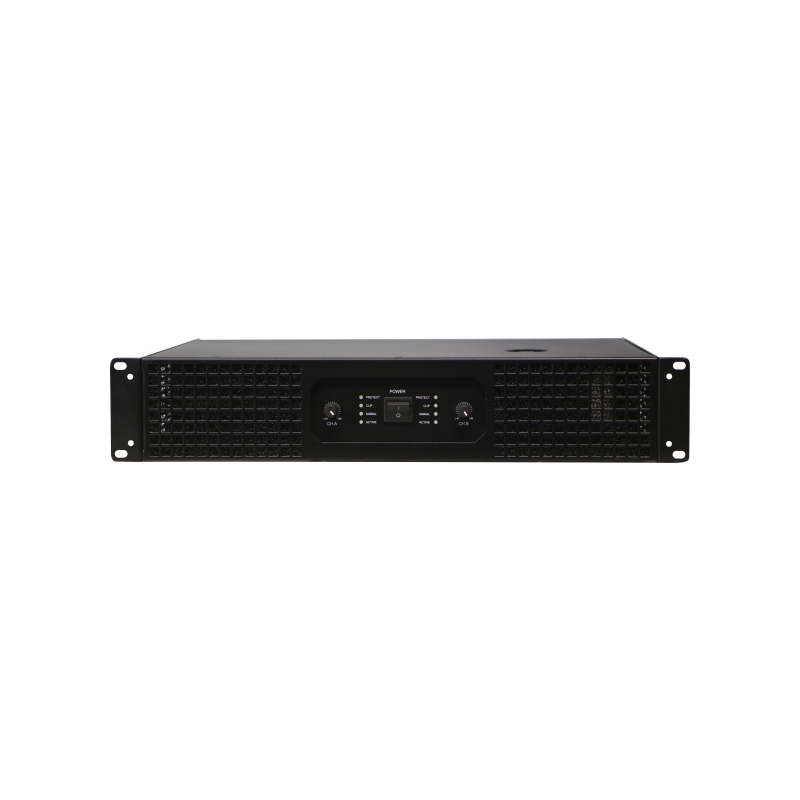
Wiring and Connection Protocol
Power Connection Safety
Proper power connection is critical for safe PA amplifier installation. Always use grounded outlets and ensure proper polarity of all electrical connections. Install surge protection devices to guard against power fluctuations and potential equipment damage. Consider using a power sequencer to properly power up and down the system in the correct order.
Label all power cables and connections clearly for future reference and maintenance. Keep power cables separated from audio cables to prevent interference, and use cable management solutions to maintain organization and professional appearance.
Audio Signal Routing
Properly routing audio signals is essential for achieving optimal sound quality. Use balanced cables whenever possible to minimize noise interference. Maintain proper signal flow by connecting sources to processors, then to amplifiers, and finally to speakers. Pay attention to input sensitivity settings and gain structure throughout the signal chain.
Implement a logical and organized cable management system, using cable ties and raceways to keep connections neat and accessible. Label all audio connections clearly and create a detailed signal flow diagram for future reference.
System Configuration and Testing
Initial Setup Procedures
Once all physical connections are complete, follow a systematic approach to powering up and configuring the system. Start with all level controls at minimum and gradually increase them while testing each component. Set proper gain structure throughout the system to achieve optimal signal-to-noise ratio and headroom.
Configure any built-in processing features such as limiters, crossovers, or EQ settings according to your system design. Document all settings for future reference and potential troubleshooting needs.
Performance Verification
Conduct thorough testing of the PA amplifier installation using various audio sources and volume levels. Listen for any unusual noise, distortion, or other audio anomalies that might indicate problems. Use audio analysis tools to verify system performance and make necessary adjustments.
Test the system under typical operating conditions and verify that thermal management is adequate. Monitor power draw and ensure all components are operating within their specified parameters.
Frequently Asked Questions
What size circuit breaker should I use for my PA amplifier?
The required circuit breaker size depends on your amplifier's power requirements. Generally, professional PA amplifiers should have dedicated circuits rated at least 20% above the maximum power draw. Consult your amplifier's manual for specific recommendations and always comply with local electrical codes.
How often should I clean and maintain my PA amplifier?
Regular maintenance should be performed at least every 3-6 months, including cleaning air filters, checking connections, and testing system performance. High-usage systems may require more frequent maintenance. Always power down the system completely before performing any maintenance tasks.
Can I install multiple PA amplifiers on the same circuit?
While technically possible, it's not recommended to install multiple PA amplifiers on the same circuit. Each amplifier should have its own dedicated power circuit to ensure stable operation and prevent potential issues with power delivery during high-demand situations.