 EN
EN

The Magic Behind Concert Sound: Understanding PA Systems
When you step into a live concert venue, you're immediately enveloped by crystal-clear sound that seems to come from everywhere and nowhere at once. This immersive experience is no accident – it's the result of a carefully designed PA sound system working its magic. From intimate club performances to massive stadium concerts, these sophisticated audio setups transform raw musical energy into an unforgettable sonic experience for every member of the audience.
Modern PA sound system technology has revolutionized the way we experience live music. Gone are the days when concertgoers in the back rows could barely hear the performance. Today's systems deliver pristine audio quality to every corner of the venue, ensuring that whether you're front and center or enjoying the show from the upper deck, you're part of the same incredible musical journey.
Components of Professional Concert Sound Systems
Essential Audio Equipment
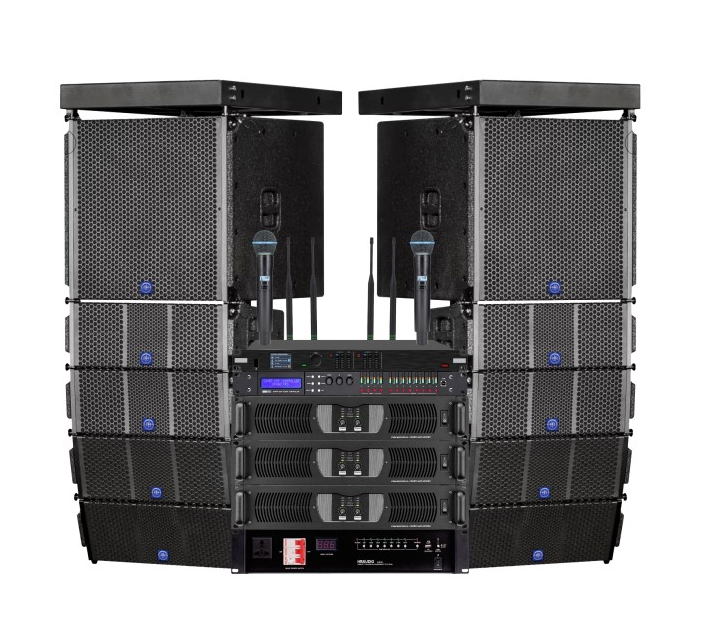
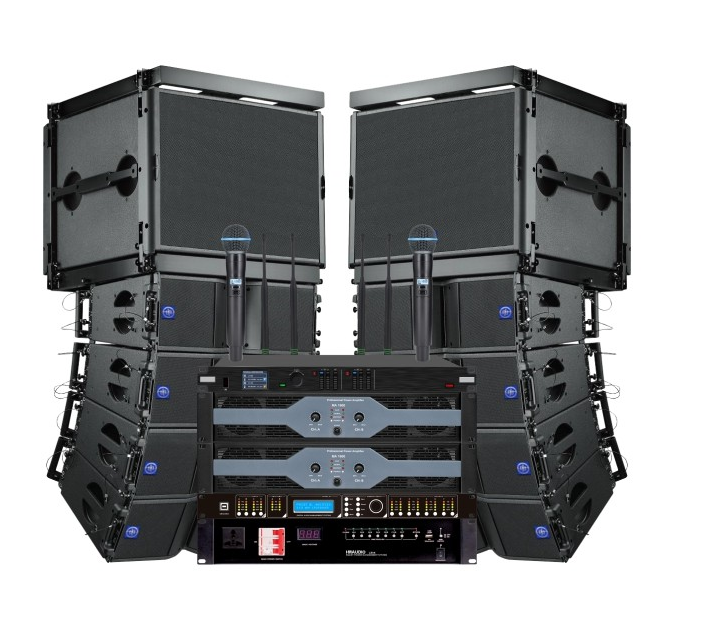
At the heart of every concert PA sound system lies a complex network of specialized equipment. The main components include powerful speakers, subwoofers, amplifiers, mixing consoles, and various signal processors. Each element plays a crucial role in delivering the perfect sound. Main speakers handle the bulk of the audio reproduction, while subwoofers add depth to the low frequencies that give music its powerful foundation.
Modern digital mixing consoles serve as the command center, allowing sound engineers to fine-tune every aspect of the audio. These sophisticated devices can manage dozens of input channels simultaneously, adjusting everything from volume levels to effects processing in real-time. The integration of these components creates a seamless audio experience that can fill venues of any size.
Signal Chain and Processing
The journey of sound from instrument to audience involves a carefully orchestrated signal chain. When a musician plays their instrument or sings into a microphone, the audio signal travels through preamps, processors, and effects units before reaching the main PA sound system. Digital signal processors (DSPs) clean up the audio, eliminate feedback, and optimize the frequency response for the specific venue.
Advanced processing techniques like time alignment and phase correction ensure that sound from multiple speakers reaches listeners at exactly the right moment, creating a coherent soundfield throughout the space. This precise coordination is essential for maintaining clarity and preventing the muddy sound that can occur in large venues.
Spatial Distribution and Coverage
Speaker Placement Strategy
The strategic positioning of speakers is crucial for achieving optimal sound coverage. Line array systems, a common choice for large venues, consist of multiple speakers hung vertically to create an even distribution of sound energy. These arrays can be precisely aimed to cover specific areas while minimizing unwanted reflections and maintaining consistent volume levels throughout the venue.
Delay towers are often employed in larger outdoor venues to ensure that sound reaches distant audiences at the right time. By calculating the speed of sound and electronically delaying the signal to these towers, engineers can synchronize the audio perfectly, preventing the echo effect that would otherwise occur when sound from multiple sources reaches listeners at different times.
Acoustic Considerations
Every venue presents unique acoustic challenges that the PA sound system must overcome. Indoor spaces often require careful treatment to manage reflections and standing waves, while outdoor venues must contend with wind, temperature variations, and atmospheric conditions that can affect sound propagation. Sound engineers use sophisticated analysis tools to measure and adjust the system's response to these environmental factors.
Modern PA systems incorporate advanced DSP algorithms that can automatically detect and compensate for acoustic anomalies. This adaptive technology helps maintain consistent sound quality even as conditions change throughout an event, ensuring that every note reaches the audience exactly as intended.
Sound Quality and Control
Frequency Response Management
A well-designed PA sound system must reproduce the entire frequency spectrum with accuracy and clarity. Engineers use sophisticated equalization tools to shape the frequency response, ensuring that everything from the deepest bass to the highest treble is reproduced faithfully. This careful balance is essential for delivering the full emotional impact of the music.
Modern systems often incorporate multiple speaker zones, each optimized for specific frequency ranges. This approach allows for more precise control over the sound and helps prevent issues like frequency masking, where certain sounds can be obscured by others in the mix.
Dynamic Range Control
Managing the dynamic range of live music is crucial for delivering an engaging concert experience. The PA sound system must handle both whisper-quiet passages and explosive peaks while maintaining clarity and preventing distortion. Sophisticated compression and limiting techniques help control these dynamics without sacrificing the music's natural energy and impact.
Advanced systems also incorporate protection circuits that prevent damage from excessive volume levels while ensuring that the system can deliver the necessary power when needed. This balance of protection and performance is essential for maintaining consistent sound quality throughout long performances.
Future Innovations in Concert Sound
Digital Integration
The future of PA sound system technology is increasingly digital, with networked audio systems becoming the norm. These systems allow for more precise control, easier configuration, and better integration with other production elements. Digital networking also enables remote monitoring and adjustment of system parameters, improving efficiency and reliability.
Artificial intelligence and machine learning are beginning to play a role in sound system optimization. These technologies can analyze room acoustics in real-time and make automatic adjustments to maintain optimal sound quality, reducing the need for manual intervention and ensuring consistent performance.
Immersive Audio Technologies
Emerging technologies are pushing the boundaries of what's possible in live sound reinforcement. Object-based audio systems allow for more precise placement of sound sources in three-dimensional space, creating more immersive experiences. Wave field synthesis and other advanced spatial audio techniques promise to deliver even more realistic and engaging concert experiences.
Virtual and augmented reality integration with PA sound systems is also on the horizon, potentially allowing for personalized audio experiences within the larger concert environment. These innovations could revolutionize how we experience live music, creating new possibilities for artistic expression and audience engagement.
Frequently Asked Questions
What makes a PA sound system different from home audio equipment?
Professional PA sound systems are designed to deliver high-quality audio at much higher volumes while maintaining clarity and preventing distortion. They incorporate more robust components, sophisticated processing capabilities, and are engineered to cover large spaces evenly, unlike home audio equipment which is optimized for small room listening.
How do weather conditions affect outdoor PA systems?
Weather can significantly impact outdoor sound systems. Temperature, humidity, and wind can all affect sound propagation. Modern PA systems include weather-resistant components and sophisticated processing that can compensate for these environmental factors to maintain consistent sound quality.
Why do some venues sound better than others with the same PA system?
Venue acoustics play a crucial role in sound quality. Factors like room shape, surface materials, and size all affect how sound waves behave. A PA sound system must be properly configured and tuned for each specific venue to achieve optimal performance, taking into account these acoustic characteristics.